Tourism Close to Home: Thoughts from The Banburian

I’ve just finished nearly two years at VisitEngland and what an education in tourism and destination marketing THAT was.

I was already interested in that sort of thing on a local level. I mean, what is The Banburian if not an ‘interest in place’ turned into blog and with social media channels? I’ve been at this for years now:

  • exploring the town’s history
  • mapping out itineraries featuring the surrounding areas
  • turning the spotlight on local hospitality businesses
  • throwing myself head first into English Tourism week posts
  • getting involved in mounting photo exhibitions in town and documenting the town’s calendar of events for many years for the local council
But working at VisitEngland gave me a much wider perspective on how destinations think about themselves, how they attract visitors, support the visitor economies, how different organisations work together (or sometimes don’t), and how tourism connects with everything from culture and events to regeneration and the future of the high street.
Inevitably, some of that thinking found its way back to the The Banburian.

I always wrote there as an interested local tourist, someone who enjoys being a visitor in her own town. And while all that is still true, I’ve come to realise that I’ve written more and more the past couple of years with an actual destination marketing hat on – sometimes explicitly about tourism, sometimes about placemaking, regeneration or events, but almost always with the same underlying question:  What would it look like if we thought more deliberately about Banbury as a place people might choose to visit?
So rather than reproduce those posts here, I thought I’d gather a few of them together.

  • Banbury and the MICE market: an opportunity we’re not quite claiming
    Business tourism doesn’t necessarily spring to mind when people think about Banbury. But it’s got great transport connections, have a surprising range of meeting and event spaces suitable for SME gatherings, and sits within easy reach of huge swathes of businesses. So why aren’t we making more of it?
  • Banbury’s next chapter: why the Masterplan and Town of Culture need each other
    A town that is interesting, welcoming and enjoyable for the people who live there is very likely going to be more interesting, welcoming and enjoyable for visitors as well.  That’s why I felt the two conversations around Banbury’s Masterplan (or Vision document or whatever they call these things) and its Town of Culture ambitions made sense to bring together
  • Banbury as Town of Culture? Anything’s possible
    When the possibility of Banbury becoming Oxfordshire’s Town of Culture was raised, there was much chortling on the Facebook groups. But I started thinking about what that could actually mean — not simply as a title or a programme of events, but as an opportunity to get people thinking differently about the town.
  • Staycations and the joys of local exploring
    You don’t always need to travel very far to be a tourist. Sometimes looking at the places around you with a visitor’s curiosity is enough to remind you how much you’ve stopped noticing.
  • Banbury definitely belongs at the tourism table
    Written for English Tourism Week 2025 (I write something for it every year – 2026 was a whole series), I made the case that while Banbury may not be a tourist destination in the way that Oxford, Stratford-upon-Avon or the Cotswolds are, it sits tidily between all three. That makes it a great base for exploring that also has its own history, stories, food heritage, culture and attractions.
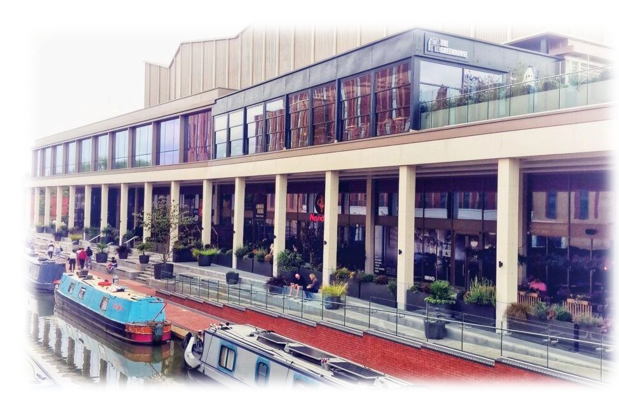
Taken together, these posts aren’t just about tourism. They are also about how locals understand what they have, how they tell their stories and, absolutely crucially, whether they recognise opportunities that don’t fit neatly into anybody’s specific, individual remit.

And seeing how different areas deal with a lot of those questions, address a lot of challenges around them – feels increasingly like a really interesting space to explore.
Stakeholder Alignment Matters in Destination Marketing

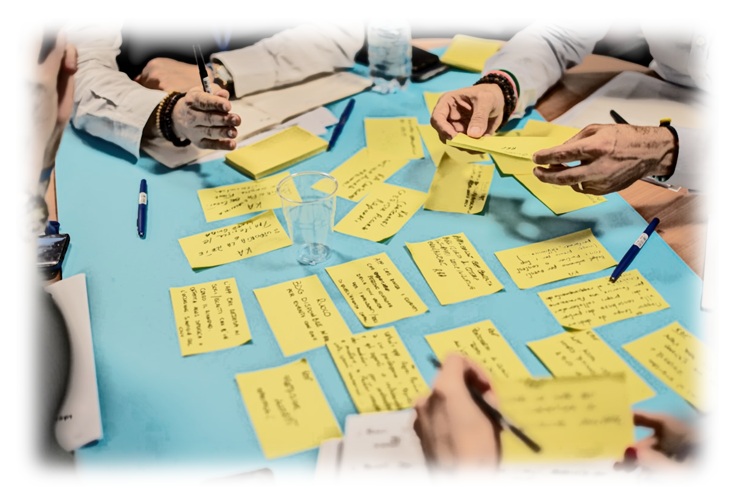
As I mentioned in a recent Facebook post, I’ve been thinking about the role of “stakeholder alignment” when it comes to growing a local visitor economy.

It feels like a very consultant-speak sort of phrase, the kind of phrase I would normally run a mile to avoid. And the reason it feels like that is that it’s a term that appears frequently in white papers, strategy documents, growth plans and vision papers.

But what does it mean after the document is signed off and the press release is published? Because talking about it is one thing – but doing it is what happens after the press release.

Let’s take something very basic, incredibly simple and something that nearly everyone can identify with: social media.

Imagine a significant event is happening in a town centre. It doesn’t clash with another major local event and it will potentially bring thousands of people into town.

The Town Council didn’t organise it. Neither did the district council, BID or Chamber of Commerce.

Should they promote it? I’d argue that they should.

Not because they have a direct stake in the event, but because they have a stake in the place.

More people coming into town means potential customers for shops, cafés, pubs and restaurants. It gives residents and visitors another reason to spend time there. And a successful event contributes to the perception of the town as somewhere where things happen.

Sharing a post from the organisers costs virtually nothing. It takes seconds. But multiply that amplification across local organisations, businesses and their networks and suddenly you’ve turned the volume up considerably.

But as I’ve seen this in lots of destinations and among entities involved with their marketing and promotion, it doesn’t always happen. Sometimes organisations:

  • become territorial (‘if we talk about someone else on our feed, it’ll dilute our message’ or ‘those are OUR followers’)
  • work within very narrowly defined remits (‘we didn’t organise it, so it isn’t our job to promote it’)
  • have communications policies or organisational structures that create unintentional silos

And that’s where ‘stakeholder alignment’ would help. If everyone involved in a town’s economic, cultural and visitor development has broadly agreed on the direction of travel, somebody else’s successful event isn’t competition. It’s contributing to the same objective.

That doesn’t mean everyone has to move in lockstep. Organisations have different briefs, priorities and audiences. But there ought to be some shared understanding of the place they’re collectively trying to create – and the face they’re trying to present to the outside world.

I know, I know – all those entities were invited to chip in with their views on the growth plans and vision statements. They may have even gotten name checked in the press releases when the documents were published.

But are they bringing any of that ‘on page’ togetherness into the real world?

Does that shared vision ever influence decisions organisations make, such as:

  • Do we amplify this event?
  • Do we tell our members about that initiative
  • Can we connect these two organisations?
  • Does their success help us achieve something we’re all trying to achieve?

Because stakeholder alignment isn’t about getting your logo in a line on a strategy document.

It’s about supporting the efforts of fellow stakeholders to achieve success for the place you have a stake in.

Tourists & Remote Workers Aren’t the Fix

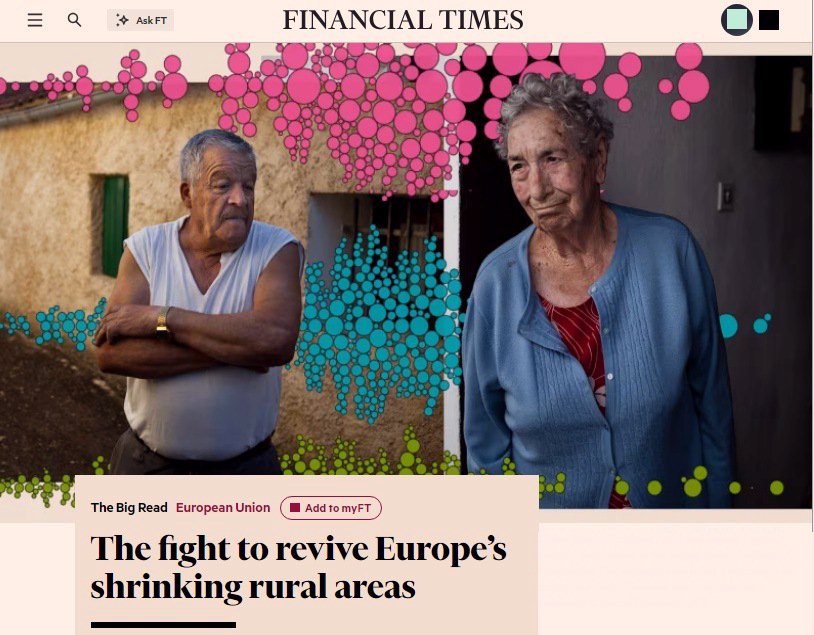
I just read an article called: ‘The fight to revive Europe’s shrinking rural areas’.

Now, strictly speaking this article from the Financial Times that I just read isn’t about tourism or destination marketing. But it’s about an issue that people keep trying to suggest tourism is gonna fix.

Look, I love a good view as much as anyone and I love visiting rural areas to get those views. I’ve even worked remotely from some. But I keep seeing people comment on this article, and articles like it, that tourism is THE answer to declining populations and community viability in those areas.

No. Tourism is AN answer, or PART of the answer. Rural tourism alone can’t revitalise shrinking towns and villages. It’s too seasonal, too subject to economic ups and down and travel trends to be a reliable, year-round solution.

That said, a lot of what needs to be done to get these areas truly tourism-ready would also make them far more liveable for remote and hybrid workers.

I know, I know people bring up remote work too all the time in these conversations. But they usually stop at, “Just make sure there’s high-speed Wi-Fi and you’re set.”

No. To be a long-term, sustainable part of a rural revitalisation effort, remote workers (and tourists, for that matter) need much more than fast broadband. They need local transport, healthcare, services, culture. More and more people are making sustainability a priority – in life and in travel so there should be incentives to update older housing stock in ways to support that. It’s about supporting not just their job but their whole life.

Places like this don’t just need regenerative tourism. They need regenerative revitalisation as well.

All of that needs to happen in collaboration with the population that IS there. This isn’t about replacement.

I’ve been a remote worker for a long time, working remotely in both dense urban areas and rural ones so I’ve seen how regenerative efforts can be incorporated into more areas of life. So, not surprised this article caught me eye this morning.

Link to the archived copy of the Financial Times article