Businesses of all sizes and in all sectors are increasingly worried about remaining visible in the AI-driven search world we now find ourselves in. Among the most concerned may well be the micro, small and medium size businesses (SMEs) who count on search and digital visibility to allow them to ‘punch above their weight’ and remain competitive.
The vast majority of businesses in the world are SME entities – and the people running those businesses are probably wearing a lot of operational hats, are frequently pressed for time and, though they may updating their own website, most of these people aren’t necessarily technical people or digital marketing people. So, it’s entirely probably that businesses like that might want a quick checklist for of things they can action immediately and without too much heavy lifting to improve their AI visibility.
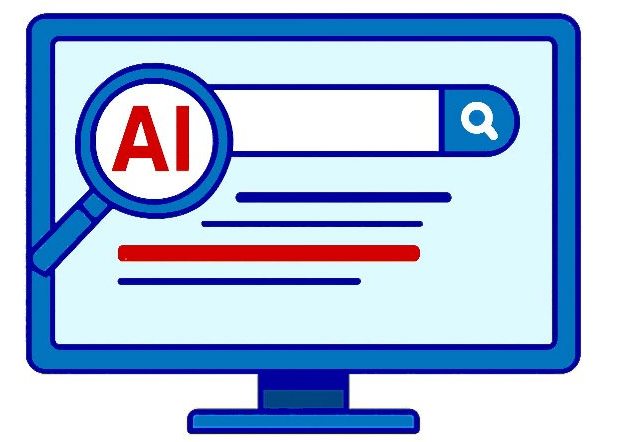
This post is for them – the people with too much to do, not enough time to do everything they want and who still need to make sure their customers (current and potential) can find them online.
The difference between what search was and what it is becoming?
AI tools like ChatGPT, and AI summaries at the top of search results such as Google’s “AI Overviews”, are changing how people find travel information and ideas. Think of the difference this way:
- SEO (search engine optimisation) is – was? – about getting a user to click your link on a results page
- AIO (AI optimisation) is about getting the AI to cite your information directly in its answer/summary.
5 Tips on staying visible
1. Help People Find You in Natural Language
- Write content the way your customers ask questions (“What can families do here on a rainy day?”). Avoid keyword stuffing — write naturally and clearly.
- Use headers and subheaders (H1, H2, etc.) along with short paragraphs so information is easy to scan.
- Add an FAQ section that answers common visitor questions clearly.
2. Keep Information Clear, Factual, Current and – if locality is part of your USP – Specific
- Check opening hours, prices, contact details, and accessibility info regularly. Add location details (“5 minutes from the station”, “on the coastal path”) to support “near me” searches.
- Include your local story or expertise (“Family-run cafe using local produce”)
- Use up-to-date photos, menus, and activity lists.
3. Strengthen Trust and Credibility E-E-A-T (Experience, Expertise, Authoritativeness, Trust)
- AI models are trained to prioritize information that is trustworthy and authoritative. For an SME, this means proving you are a real, credible expert in your niche.
- Add an ‘About Us’ page showing who you are, your business’s history, mission, the people behind the brand.
- Encourage genuine reviews on Google, Tripadvisor, etc. Actively collect and display genuine customer reviews and testimonials.
- Link to partnerships or certifications
4. Make Your Website Easy for Search Engines and AI to Read
- Structure your content for easy quoting and clipping – AI tools are looking for clear, concise information they can extract to build their answers. Make your content easy to “quote.”
- Include descriptive image alt text (“View of our garden café”) for accessibility and clarity.
- Remember what I said about an FAQ and natural language? That is also a big part of quote-ability.
- Use Lists and Tables: AIs love a bit of structured data. Use bulleted lists for features, numbered lists for steps, and tables for comparisons to competition or different price packages
- Long page? Start with “key takeaways” a box that summarizes the main points.
5. Keep Your Listings Consistent Across Channels
- Update your Google Business Profile with correct hours, categories, and images. Yes, yes there are other search engines – but the business reality is that the vast majority of searches are happening on Google.
- Use the same descriptions and keywords on your website, social media, and travel platform listings. Consistency is key.
- Review content twice a year to keep it fresh and accurate.
Summary: A lot of good SEO in the AI era is simply a matter of good digital housekeeping: clear, consistent, trustworthy, and human-centred information. The difference with AI is that it is not enough to ‘show up’ – you need to show up as a strong, well-defined entity that AI can quote in a summary answer to a question.